
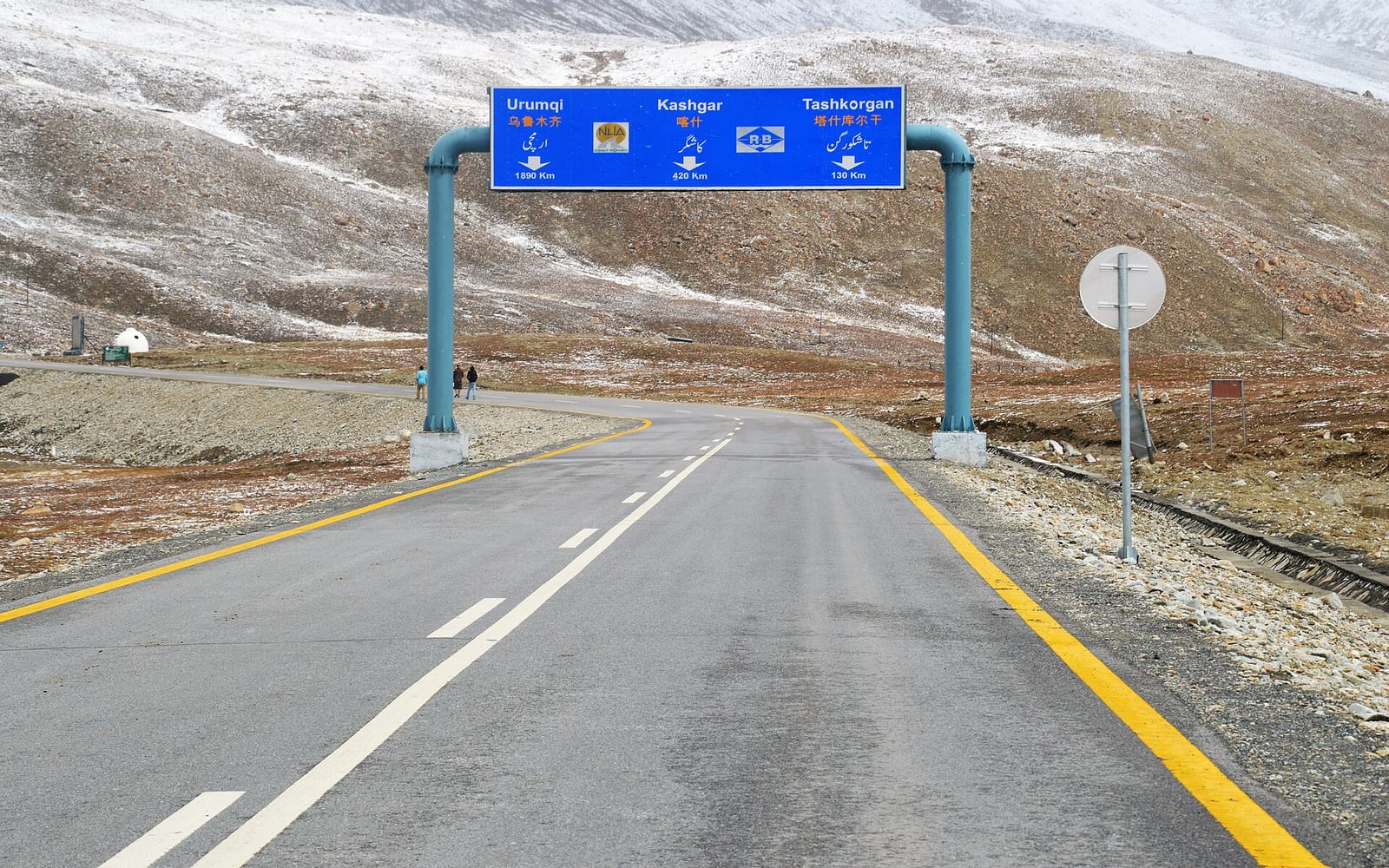
Khunjerab is the world's highest paved international border crossing — 4,693 m at the China gate, inside a national park that shelters snow leopards, ibex and Marco Polo sheep. The crossing has officially been open all year since December 2024, but snow can still shut the road at short notice; the drive from Karimabad runs about three hours each way through Gojal's full highlight reel.
The pass is a pilgrimage of altitude rather than a viewpoint — a long, broad saddle often under snow, the border gate, yaks with attitude, and the novelty of standing at China's front door. The day's real riches line the road: Passu, Sost's bazaar and the climb through the park.
Altitude is the only serious variable: you gain more than 2,000 m from Karimabad in a morning. SafarGB paces the ascent, carries oxygen as standard and turns the day around before afternoon weather builds.
Khunjerab National Park was created in 1975, chiefly for the Marco Polo sheep, which in Pakistan live only here, and it holds one of the highest densities of snow leopards anywhere — WWF-Pakistan filmed two cubs in its buffer zone in 2021. In practice, domestic yaks and marmots are what most visitors see.
About 170 km from Karimabad via the Attabad tunnels, Passu and Sost — roughly three hours each way. The park fee is paid at the Dih checkpoint, some 40–50 km below the top.
Plan your visit
- Season
- Officially open all year since December 2024; before that, 1 April to 30 November. Snow can still close the road at short notice, so winter days are weather-permitting.
- Park fee
- Paid in cash at Dih. The foreigners' fee was set at US$8 in 2011, and recent travellers report higher figures, so carry enough rupees.
- Altitudes
- Sost, with Pakistan's immigration and customs, is at 2,800 m; the pass is 4,693 m.
- Crossing to China
- Only with a Chinese visa arranged in advance. Visiting the top and turning back needs no visa.
What's nearby
- Sost
- The last town before China, about 87 km from Karimabad: the dry port, immigration and customs, and the last fuel and shops.
- Passu Cones
- The cathedral ridge on the way up, about 40 km below Sost.
- Hussaini Suspension Bridge
- The plank bridge near Gulmit — a good stop on the way back down.
Know before you go
- Altitude: the NHS advises against going from below 1,200 m to above 3,500 m in one day, so base yourself in Hunza first rather than driving up from Gilgit or Islamabad. Symptoms usually start 6 to 10 hours after arrival; descend if you feel unwell.
- Carry your passport or CNIC. Foreign nationals are required to register with the authorities in Gilgit-Baltistan, and IDs are checked on the way up.
Questions, answered
Do you need a visa to visit Khunjerab Pass?
No — you're not crossing, just reaching Pakistan's gate. Carry your passport or CNIC for the park checkpoint; crossing into China needs a Chinese visa arranged in advance.
Will altitude sickness be a problem?
You'll stand at 4,693 m for under an hour after a paced drive, and altitude-sickness symptoms usually take 6 to 10 hours to appear, so a short visit from a Hunza base is the lower-risk way to do it. We carry oxygen, keep the visit short and descend before lunch.
Is Khunjerab Pass open in winter?
Officially, yes: Pakistan and China moved the crossing to year-round operation in December 2024, and the first winter tourism season opened that month. Snow still closes the road at short notice, so winter visits are weather-permitting.
What wildlife can you see at Khunjerab?
Domestic yaks and marmots are the usual sightings. The park was created in 1975 for the Marco Polo sheep and is known for its snow leopards, but both are rarely seen.